
Rooms
Pooja Room Design Ideas: Placement, Materials and Light
August 28, 2026 · 9 min read
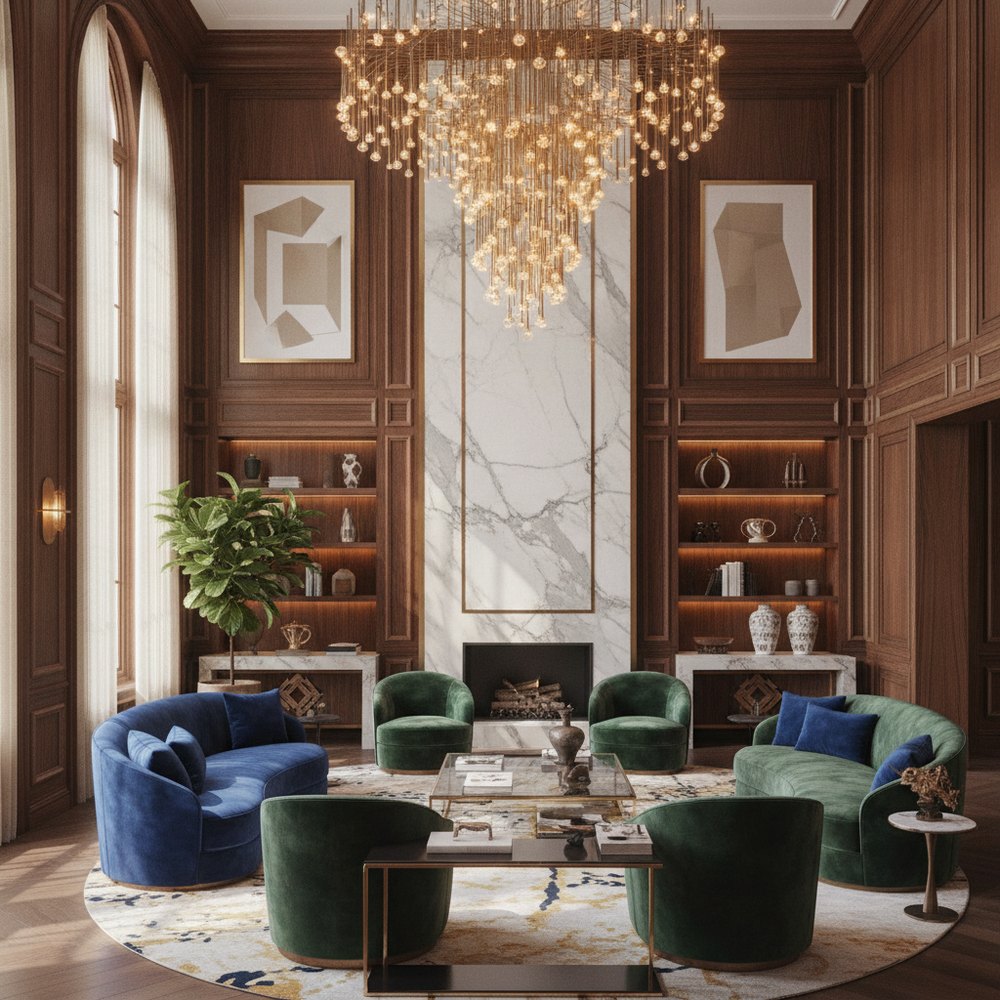
A good pooja room needs four things: a calm, uncluttered backdrop, warm low-level lighting rather than a bright overhead spot, a wipe-clean base such as marble or stone for oil and ash, and enough ventilation for lamps and incense. Everything else, scale, carving, doors, is a matter of space and taste.
Dedicated room, alcove or unit?
The first decision is honest about the space you actually have, and all three answers can be done beautifully.
A dedicated room is the traditional ideal and increasingly rare in apartments. If you have one, the design job is mostly about restraint: it is easy to over-decorate a small room and end up with something busy rather than serene.
An alcove or niche, carved out of a corridor, a living room wall or the corner of a dining area, is the most common good solution in modern homes. It reads as architecture rather than furniture, which is what makes it feel permanent and considered.
A freestanding or wall-mounted unit is the apartment answer, and there is nothing second-best about it if it is well made. A hanging unit with doors keeps it discreet when closed and gives the room back when you need it.
Placement and orientation
Traditional guidance places the pooja space in the north-east of the home, with the person praying facing east or north. Whether you follow vastu strictly or loosely, a few practical points overlap with it.
- Not against a bathroom wall, for obvious reasons of both tradition and plumbing noise.
- Not directly under a staircase, which is both traditionally avoided and practically awkward for headroom.
- Not in a bedroom if it can be helped, though in small apartments a discreet closed unit is a reasonable compromise.
- Somewhere with a little natural light if possible, even indirect, because it changes the feel of the space entirely.
- Away from the main traffic route, so the space has some stillness around it.
Materials that work and last
The material palette here has to survive oil lamps, ash, flowers and daily cleaning, which narrows it usefully.
Marble or a stone base is the classic answer and remains the right one: it wipes clean, tolerates heat and oil, and reads as permanent. White or cream marble is the default; a warmer stone works beautifully with timber.
Timber, ideally teak, sheesham or a good veneer, does the vertical work: doors, jaali screens, a carved back panel. Keep the carving to one element rather than everything, or the space becomes visually noisy.
Brass and antique gold are the natural metals here and pair with warm light. Avoid high-gloss laminates and mirror-finish surfaces, which fight the calm and show every mark.
Lighting a pooja room properly
This is where most pooja rooms go wrong, and it is the easiest thing to fix.
A single bright white downlight flattens the space and makes it feel like a cupboard. What works is warm, low and layered: concealed strip lighting behind or above the deity niche so the light appears to come from within, a small warm spot or two at low intensity, and, if there is a jaali screen or carved panel, a light behind it so the pattern glows.
Keep the colour temperature at 2700K or warmer. Put the lights on a dimmer if you can. And plan a socket inside the unit at design stage, because retro-fitting one into finished joinery is unpleasant.
Small pooja room ideas
For alcoves and compact units, a few moves consistently punch above their size.
- Take it full height. A narrow niche running floor to ceiling reads as architecture; a small square box on a wall reads as an afterthought.
- Use a jaali screen as the door or backdrop. It gives visual depth without taking depth.
- Recess the niche into the wall by 150 to 200mm rather than projecting it, so it does not intrude into the room.
- Add a drawer or two at the base for lamps, wicks and matches, because visible clutter is what makes small spaces feel chaotic.
- Keep the backdrop plain and let the lighting and the deity do the work. Patterned tile behind everything competes.
Ventilation and practicalities
The unglamorous details that determine whether the space is pleasant to use daily.
Lamps and incense produce smoke and soot, so an enclosed niche with no airflow will darken the ceiling above it within a year. If the space is fully enclosed, allow a vent or leave the top open. Position the space so the smoke is not driven straight into a curtain or an air-conditioning return.
Choose a base you can genuinely wipe daily rather than one you will be nervous about. And if there are children in the house, think about the height of the lamp platform at design stage rather than improvising later.
Modern versus traditional treatment
Both work; the failure is mixing them without intent.
The traditional route is carved timber, a temple-style top, brass bells, marble base and warm gold light. It is the safer choice in a home that is otherwise traditional.
The modern route is a clean recessed niche, fluted or slatted timber, a stone base with a shadow gap, concealed linear lighting and no carving at all. It sits far better in a contemporary apartment, and it is genuinely serene when done well.
What rarely works is a heavily carved traditional unit dropped into a minimal white apartment with no other traditional elements. If you want the carving, echo the material somewhere else in the home so it belongs.
Try the design in your own space
Niches and units are hard to judge from catalogue photos because scale and light do all the work.
With Decorly you can photograph the wall or corner you are considering and see different treatments rendered at your real ceiling height and in your real light. For related decisions, see false ceiling design ideas and Indian traditional interior design.
Frequently asked questions
Where should a pooja room be placed in a home?
Traditional guidance favours the north-east, with the person praying facing east or north. Practically, avoid placing it against a bathroom wall, directly under a staircase, or in the main traffic route. A little indirect natural light makes a large difference to how the space feels.
What is the best material for a pooja room?
Marble or stone for the base, because it wipes clean and tolerates oil and heat, with timber for doors, screens and back panels, and brass or antique gold for detailing. Avoid high-gloss laminates and mirror finishes, which show every mark and fight the calm.
How do you design a pooja space in a small apartment?
Recess a narrow full-height niche into a wall rather than projecting a box off it, use a jaali screen for depth, add drawers at the base to hide lamps and wicks, keep the backdrop plain, and light it with warm concealed strips rather than a bright downlight.
What lighting is best for a pooja room?
Warm, low and layered, around 2700K or warmer, ideally on a dimmer. Concealed strip lighting behind or above the niche so the light appears to come from within, plus a low-intensity spot. A single bright white downlight is the most common mistake.