
Styles
Moroccan Interior Design: Pattern, Craft and Layered Light
August 6, 2026 · 8 min read
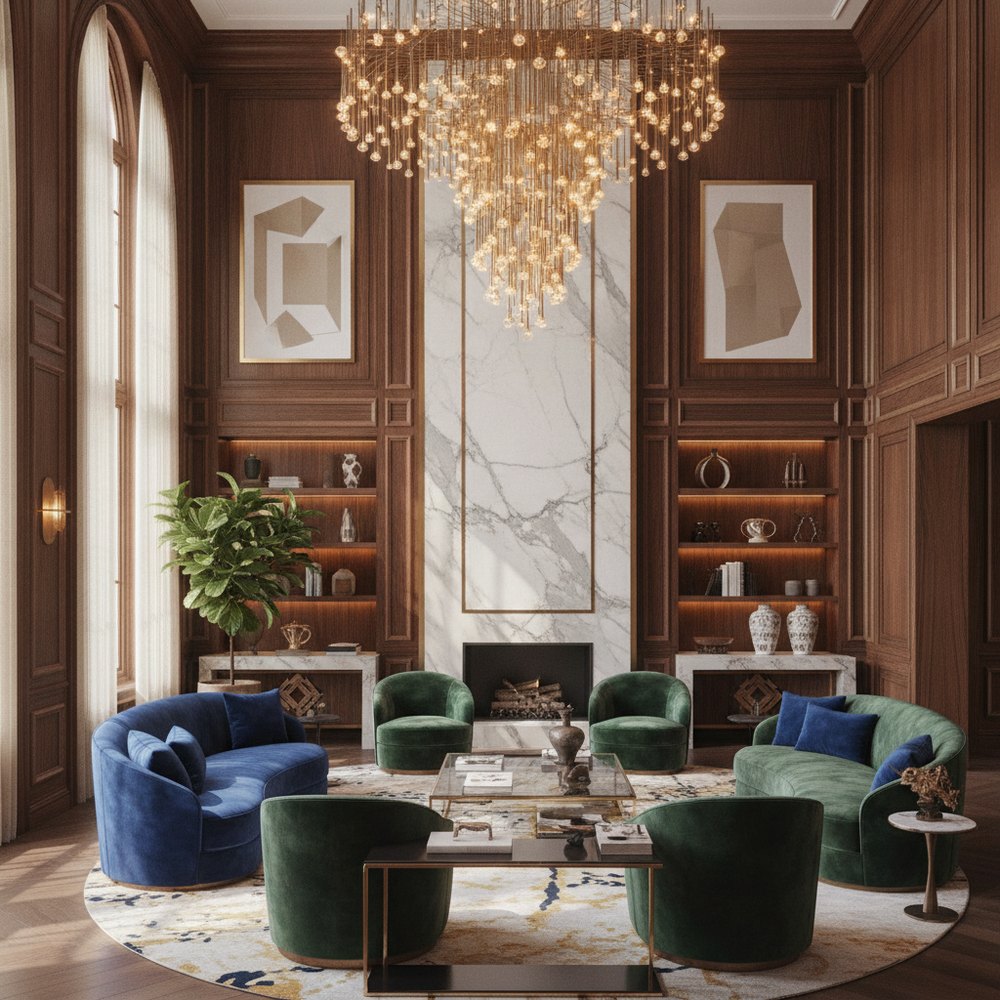
Moroccan interior design is craft-led: handmade zellige tile, tadelakt plaster, carved timber and pierced metal lanterns that throw patterned light. In a contemporary home it works best applied to one element per room, a tiled surface, a lantern, a Berber rug, against otherwise plain walls.
Why one element is usually enough
Moroccan design is one of the most visually generous styles there is, which is exactly why it needs editing in a modern house.
In a traditional riad, the pattern density works because the architecture supports it: thick walls, an internal courtyard, deep shade, high ceilings, and rooms designed around a single open space. Transplant the same density into a standard-ceilinged rectangular room and it becomes overwhelming.
The approach that works is one strong element per room against calm surroundings. A zellige-tiled splashback in a plain kitchen. A single pierced lantern in a room with plaster walls. A Berber rug on a bare floor. The craft reads clearly because it has space around it.
Zellige tile
The most recognisable Moroccan material and one of the few that has crossed fully into mainstream contemporary design.
Zellige is hand-cut glazed terracotta, and its appeal is entirely in its irregularity: each tile varies slightly in size, thickness and glaze depth, so a zellige wall shimmers and shifts as light crosses it. Machine-made lookalikes miss this completely.
Practically, it is more work to lay, needs a tiler who has handled it before, and the finished surface is not perfectly flat, which is the point. Use it where light rakes across it, a splashback under cabinet lighting, a shower wall, a fireplace surround, since flat frontal light wastes what you paid for.
Matching grout keeps it calm and lets the surface read as one shimmering plane, which is usually better than emphasising each tile.
Tadelakt and plaster
The wall finish that pairs with zellige and is arguably the more useful of the two.
Tadelakt is lime plaster polished with a stone and sealed with olive-oil soap, producing a seamless, slightly waxy, water-resistant surface with subtle mottling. It is traditionally used in hammams, which means it works in bathrooms and showers where ordinary plaster cannot.
It is a specialist finish and priced accordingly, and it is worth it in a small area: a shower, a basin surround, a niche. For larger walls, ordinary limewash gets you much of the depth for a fraction of the cost.
Colour it warm: sand, clay, terracotta, or a deep ochre. Cool grey tadelakt is technically possible and misses the point of the material.
Lanterns and layered light
Lighting is where Moroccan design does something no other style does as well.
A pierced metal lantern is not primarily a source of light; it is a device for projecting pattern onto the surrounding surfaces. Hung in a room with plain plaster walls, it turns the whole room into the decorative element, which is a far more sophisticated effect than a decorative fitting on its own.
For it to work, the room needs to be dim and the walls need to be relatively plain. A lantern in a brightly lit room with patterned wallpaper does nothing. Use a low-output warm bulb, keep other light sources low and at floor or table level, and let the pattern carry.
Coloured glass lanterns do the same with tinted light. Both are best in a room used in the evening.
Seating, textiles and rugs
Moroccan interiors are built around low, layered, informal seating rather than a sofa and two chairs.
- Low banquettes or built-in benches around the perimeter with loose cushions, which seats more people and reads as architectural.
- Poufs and floor cushions rather than additional chairs, which keeps the floor plane open.
- Berber and Beni Ourain rugs, ideally layered, and worth buying properly since a good one lasts a lifetime.
- Woven and embroidered textiles in wool and cotton, in cream, black and one warm colour.
- Low tables, often round metal trays on folding bases, which is authentic and practical.
The palette
Two versions of the palette exist and they are both correct.
The desert version is what most contemporary Moroccan-influenced interiors use: sand, clay, terracotta, cream, bone, black, and unbleached wool. It is restrained, warm and easy to live with, and it is what makes Moroccan influence work in a modern home.
The jewel version is the traditional one: deep saturated blue, emerald, ruby and gold, usually against white plaster. It is spectacular and it demands commitment, high ceilings and good natural light. In a small room it can become oppressive quickly.
Most successful modern schemes use the desert palette as a base and admit one jewel colour as an accent, in a rug, a cushion, a tile.
Avoiding the theme-restaurant problem
The failure mode is well known and easy to describe: too many elements, all at once, none of them well made.
Avoid buying a Moroccan-themed set. Avoid using pattern on the walls, the floor, the textiles and the ceiling simultaneously. Avoid mass-produced pressed-metal lanterns, which have none of the crispness of a hand-pierced one. And avoid the arch-plus-lantern-plus-pouf shorthand applied to a room that is otherwise a standard modern interior.
What keeps it credible is craft. One genuinely handmade thing, given room to be seen, does more than a dozen approximations. Our guide to maximalist interior design covers how to layer pattern without losing control.
Try one element in your room
Because the whole approach depends on restraint, seeing one element in place is genuinely the way to plan it.
With Decorly you can photograph your room and test a zellige surface, a tadelakt wall or a lantern against your existing plain surfaces before buying. For related styles, see Mediterranean interior design and bohemian interior design.
Frequently asked questions
What is zellige tile?
Hand-cut glazed terracotta tile from Morocco. Its appeal is its irregularity: each piece varies in size, thickness and glaze depth, so the finished surface shimmers as light crosses it. Machine-made imitations miss this entirely, and it is best used where light rakes across the surface.
How do you use Moroccan style without it looking themed?
One strong element per room against calm surroundings. A zellige splashback in a plain kitchen, a single pierced lantern against plaster walls, or a Berber rug on a bare floor. The craft reads clearly because it has space around it; several elements at once become a theme.
What is tadelakt and where can you use it?
Lime plaster polished with a stone and sealed with olive-oil soap, producing a seamless, water-resistant, slightly waxy surface. It was traditionally used in hammams, so it works in showers and bathrooms where ordinary plaster cannot. It is a specialist finish, best used in small areas.
What colours are used in Moroccan interiors?
Two palettes work. The desert palette of sand, clay, terracotta, cream, bone and black is restrained and suits modern homes. The traditional jewel palette of deep blue, emerald, ruby and gold is spectacular but needs height and light. Many good schemes use the first with one jewel accent.