
Guides
How to Decorate a New Home From Scratch: The Right Order
July 30, 2026 · 10 min read
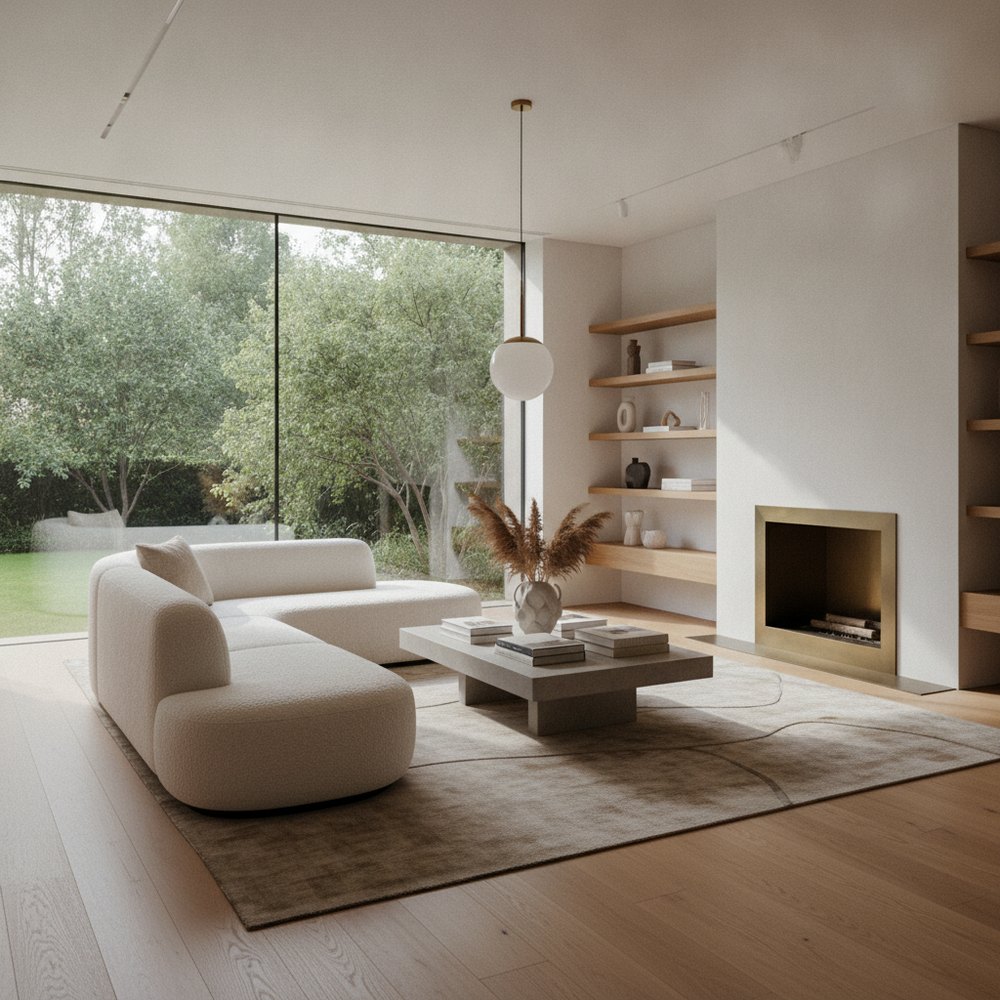
Decorate a new home in this order: live in it for a few weeks, then do the disruptive work (flooring, any building, rewiring), then paint, then buy the large anchor pieces one room at a time, then lighting, then rugs and curtains, and leave art and objects until last. Buying furniture before you know how you use the house is the most expensive mistake available.
Wait before you buy anything
This is the single most useful piece of advice about a new home and the hardest to follow, because the pressure to finish is enormous.
You do not yet know how you use the house. You do not know which room gets the afternoon light, which door you actually come in through, where post accumulates, whether the dining table gets used or whether everyone eats at the kitchen island. All of those determine what you should buy and where it goes.
Living in a partly empty house for four to six weeks feels uncomfortable and saves a great deal of money. Buy a bed, somewhere to sit, and a table, and then wait. The list of things you thought you needed will be noticeably different afterwards.
The correct order of operations
Doing things out of sequence means redoing them, and this order minimises that.
- 1Anything structural or disruptive. Walls moved, wiring, plumbing, damp. Nothing else should happen before this.
- 2Flooring. It goes under everything and doing it later means moving all the furniture out again.
- 3Painting. After flooring if the flooring is being replaced, since fitting flooring marks walls. Before furniture, always.
- 4Window treatments measured, even if fitted later, because the fitter needs access to empty walls.
- 5Large anchor furniture, one room at a time. Sofa, bed, dining table, wardrobes.
- 6Lighting. Once you know where the furniture is, because lighting positions follow furniture, not the other way round.
- 7Rugs, curtains, soft furnishings. These are chosen against the furniture and the paint, so they must come after.
- 8Art and objects. Last, over months or years. This is not a delay tactic; it is how homes end up feeling personal.
How to allocate the budget
The instinct is to spread the money evenly across rooms, which produces a house that is uniformly adequate.
The better approach is to concentrate. Do one room properly, then the next. A finished living room and four empty rooms is a far better place to live than five half-furnished ones, and it also teaches you what your standards actually are before you spend the rest.
Within a room, roughly half the budget should go on the anchor piece, the sofa, the bed, the dining table, because it is the thing you use most and the thing that is hardest to upgrade later. A quarter on lighting and window treatments, which are chronically underspent and disproportionately affect how the room feels. The remaining quarter on everything else.
What to buy properly and what to buy cheaply
A clear division that saves a lot of money over ten years.
- Buy properly: the mattress, the sofa, the dining table, task chairs, anything with a mechanism, and anything you touch daily. These fail visibly and unpleasantly when cheap.
- Buy cheaply or second-hand: side tables, bookshelves, chests of drawers, mirrors, most storage. Solid old furniture is often cheaper than new flatpack and considerably better.
- Buy last: anything decorative. Objects bought to fill a room in month one are the ones given away in year two.
- Never buy in a set. Matching suites of furniture make a room look like a showroom and remove any chance of it feeling collected.
- Do not buy for the house you might have. Furnish the rooms you use, not the aspirational dining room you will use twice a year.
Deciding on a palette across the whole house
Rooms decorated one at a time over two years drift, and the result is a house that feels like a series of unrelated decisions.
The fix is to establish a small set of constants at the start, before painting anything, and apply them everywhere: one wall neutral used in most rooms, one timber tone, one metal, and two or three accent colours that appear in different proportions from room to room.
That constraint sounds limiting and is actually freeing, because most decisions become easy. It also means the house reads as coherent even when the rooms are quite different, and it is the mechanism by which professionally designed homes achieve that quality.
Our guide to choosing an interior design style is a reasonable starting point for setting those constants.
Measure before you fall in love
The most common furniture disaster is not aesthetic, it is dimensional.
Before shopping, write down for each room: the wall-to-wall dimensions, the ceiling height, the position and swing of every door, the height of window sills, and the width of the narrowest point on the route from the front door to the room. That last one is the number that stops a sofa getting into a flat.
Then, when you find something, tape its footprint onto the floor with masking tape and live with it for two days. It takes twenty minutes and it prevents the entire category of mistakes where something technically fits and makes the room unusable.
The things people regret not doing first
Collected from a lot of second-time renovators.
Not sorting the lighting while the walls were open. Retrofitting wall lights and additional sockets after decorating means chasing plaster and repainting.
Not fitting enough sockets. Nobody has ever complained about too many, and every kitchen and desk area wants more than the regulations require.
Painting before choosing the flooring, so the two do not work together. Choose the floor first; there are more paint colours than floors.
Buying curtains before painting. Curtains are much harder to match to paint than paint is to curtains.
Skipping the boring things, blinds in the bathroom, a hall light, door handles, in favour of visible ones. The boring items are the ones you notice daily.
See the room before you commit
The specific difficulty with an empty house is that empty rooms give no sense of scale, which is why so many first purchases are the wrong size.
With Decorly you can photograph each empty room and see it furnished in different styles and layouts at your real proportions, which makes the sequencing decisions far easier and shows you which anchor piece the room actually needs. For the wider process, see home renovation planning and budget home makeover.
Frequently asked questions
What order should you decorate a new home in?
Structural work first, then flooring, then painting, then window treatments measured, then large anchor furniture one room at a time, then lighting, then rugs and soft furnishings, and art and objects last. Doing it out of sequence means redoing work.
What should you buy first when furnishing a house?
A bed, somewhere to sit and a table, then wait four to six weeks before buying anything else. You do not yet know how you use the house, which room gets the light or where you actually spend time, and those facts should determine what you buy.
How should you split a furnishing budget?
Concentrate rather than spread. Do one room properly before starting the next. Within a room, roughly half on the anchor piece, a quarter on lighting and window treatments, which are chronically underspent, and a quarter on everything else.
How do you keep a whole house feeling coherent?
Set a small number of constants before painting anything: one neutral used in most rooms, one timber tone, one metal, and two or three accent colours used in different proportions per room. That constraint makes most later decisions easy and is how professionally designed homes achieve coherence.