
Guides
How to Choose a Sofa You Will Still Like in Ten Years
July 29, 2026 · 10 min read
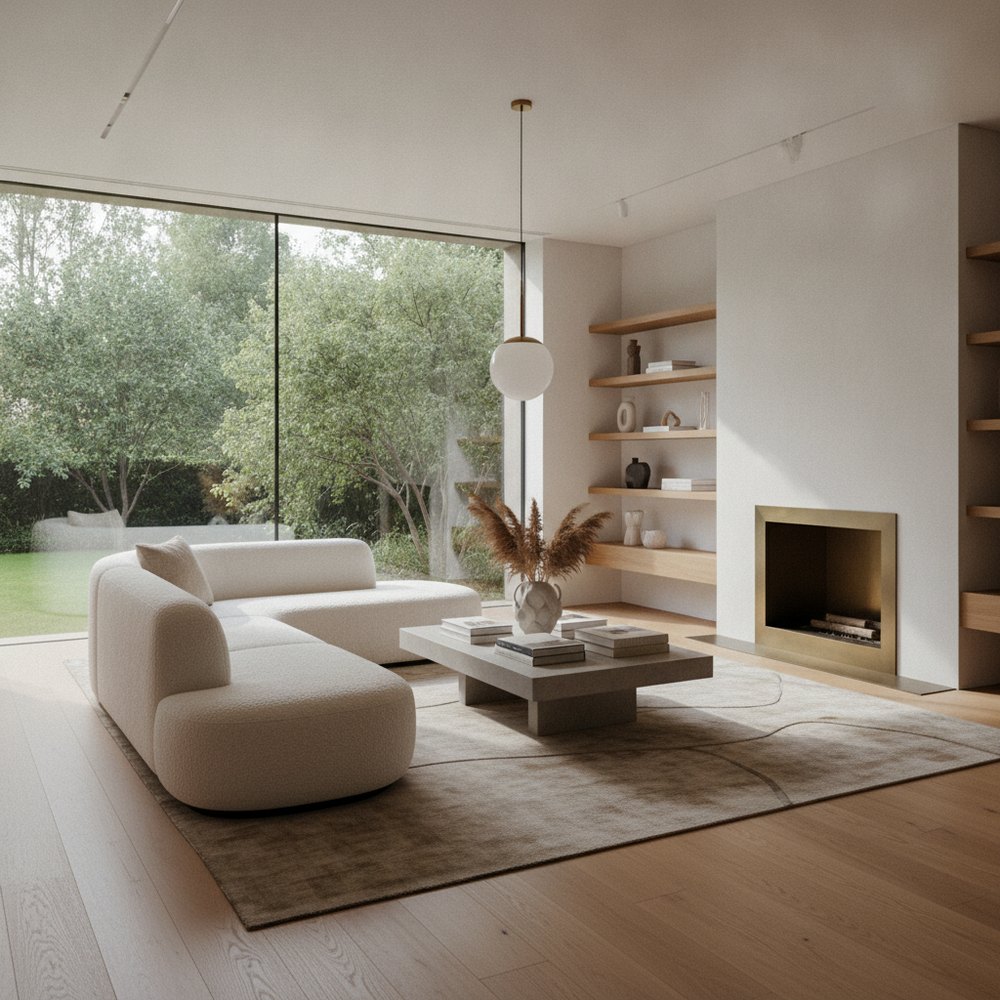
Choose a sofa by checking four things in this order: whether it physically fits the room and the route into it, seat depth against your height, frame and cushion construction, and fabric durability. Aim for a sofa no more than two thirds the length of the wall it sits against, with 900mm of walking space in front.
Start with the room, not the sofa
Most sofa disasters are decided before anyone looks at a sofa, because the room's constraints were never written down.
Measure four things: the length of the wall the sofa will sit against, the depth available including the walkway in front, the ceiling height if a high back is a possibility, and, critically, the narrowest point on the route from the street to the room. That last measurement, a stairwell turn, a doorway, a lift, is what determines whether a sofa can physically arrive.
As proportional guidance, a sofa should occupy no more than about two thirds of the wall it sits against, and you want 900mm of clear floor in front of it, or 750mm at an absolute minimum.
Seat depth matters more than length
This is the dimension that determines whether a sofa is comfortable for you specifically, and almost nobody checks it.
Seat depth, from the front edge to the back cushion, typically ranges from about 500mm to over 700mm. A deep sofa is superb for lying down and lounging and uncomfortable for sitting upright, because unless you are tall, your feet will not reach the floor with your back against the cushion. A shallow one is better for upright sitting and conversation and less good for sprawling.
As a rough guide: under about 1.7m tall, look for 500 to 550mm. Around 1.8m, 550 to 620mm. Taller than that, or if you mostly lounge, 650mm and up. If a household mixes heights, the deep sofa plus a firm cushion for the shorter person is the usual compromise.
Seat height matters too: around 430 to 450mm is comfortable for most people to get out of. Lower looks better and gets harder with age.
What frame construction actually means
The frame determines whether the sofa lasts five years or thirty, and it is the thing you cannot see.
- Kiln-dried hardwood frame, jointed rather than stapled, is the standard to look for. Beech, ash or oak. It should carry a long frame guarantee, often 15 years or more.
- Softwood or plywood frames are cheaper and fine for a few years. Chipboard or particleboard frames are what fail.
- Eight-way hand-tied springs are the traditional high-end suspension and last longest. Serpentine springs are the common good-quality alternative. Webbing only is the budget option and sags fastest.
- Corner blocks glued and screwed at the joints are a sign of a properly built frame.
- Lift one end. A well-made sofa is heavy. If a three-seater is easy to lift, the frame is light.
Cushion fill: feather, foam or both
This decides how the sofa feels on day one and how it looks after two years.
All foam is supportive, holds its shape, needs no plumping, and feels firmer and less inviting. High-resilience foam of at least 35kg per cubic metre density is what to ask for; cheap low-density foam collapses within a couple of years.
All feather or down is enveloping and luxurious and looks rumpled within an hour of use. It needs plumping daily, genuinely, and some people find that unacceptable.
Foam core wrapped in feather or fibre is the combination most quality sofas use, and it is the right answer for most people: shape retention from the core, softness from the wrap, moderate plumping.
Ask what the back cushions are too. Fixed upholstered backs stay neat; loose feather backs are comfortable and need constant rearranging.
Choosing fabric
The fabric decision is where most people focus first and it should come fourth, after fit, comfort and construction.
The durability measure is the Martindale rub test. For domestic use aim for at least 20,000 rubs, and 30,000 or more if there are children or pets. Below 15,000 is a decorative fabric that will wear.
Weave matters as much as fibre: tight flat weaves wear better than loose ones, and loops such as bouclé can be pulled by claws. Performance fabrics with a stain-resistant treatment are genuinely effective now and worth the premium in a family house.
Practically: mid-tone textured fabrics hide marks best; flat pale colours and flat dark colours both show everything. Removable covers are the single most useful feature for longevity, and a fabric that can be professionally cleaned is worth confirming before buying.
Sectional or separate pieces?
A genuine trade-off rather than a style question.
A sectional or corner sofa seats more people in less total floor area, feels generous, and is excellent for a household that lounges. The costs are flexibility, it commits you to one layout permanently, and floor area, since it eats the walking route in a small room more than people expect.
A three-seater plus two armchairs is less efficient in seat-per-square-metre terms and far more adaptable. You can rearrange, take pieces to another room, and replace one element rather than all of it.
In a room under about 4 x 4 metres, separate pieces almost always work better. Above that, either can work. Our guide to AI living room design covers testing this in your own space.
Before you order
A short final checklist.
Sit on it for at least ten minutes, not thirty seconds, and sit the way you actually sit at home rather than upright and polite. Check whether you can get out of it easily.
Confirm the delivery route measurement against the sofa's packed dimensions, and ask whether the legs come off and whether the back is removable, since both can save a delivery.
Check the guarantee separately for frame, springs, cushions and fabric; these are often different lengths and the fabric one is usually the shortest.
And ask about lead time honestly. Made-to-order upholstery is frequently 10 to 16 weeks, which matters if you are moving.
See it in your room first
Scale is the thing showroom lighting and enormous shop floors most distort, which is why so many sofas arrive too big.
With Decorly you can photograph your living room and compare sofa sizes, depths and configurations at your real proportions before ordering. For layout, see furniture placement guide and living room design ideas.
Frequently asked questions
What size sofa should I buy for my room?
No more than about two thirds the length of the wall it sits against, with 900mm of clear floor in front, or 750mm at an absolute minimum. Also measure the narrowest point on the route from the street to the room, since that determines whether it can physically arrive.
What seat depth should a sofa have?
It depends on your height. Under about 1.7m, look for 500 to 550mm; around 1.8m, 550 to 620mm; taller than that or if you mostly lounge, 650mm and above. A deep sofa is superb for lying down and uncomfortable for sitting upright if your feet cannot reach the floor.
Are feather or foam sofa cushions better?
A foam core wrapped in feather or fibre suits most people: it holds its shape and still feels soft, with moderate plumping. All foam is supportive and firmer; all feather is luxurious and looks rumpled within an hour and needs plumping daily.
What is a good Martindale rating for sofa fabric?
At least 20,000 rubs for normal domestic use, and 30,000 or more with children or pets. Below 15,000 is a decorative fabric that will wear. Weave matters too: tight flat weaves outlast loose ones, and looped fabrics such as bouclé can be pulled by claws.