
Styles
Dark Academia Interior Design: How to Get It Right
August 4, 2026 · 8 min read
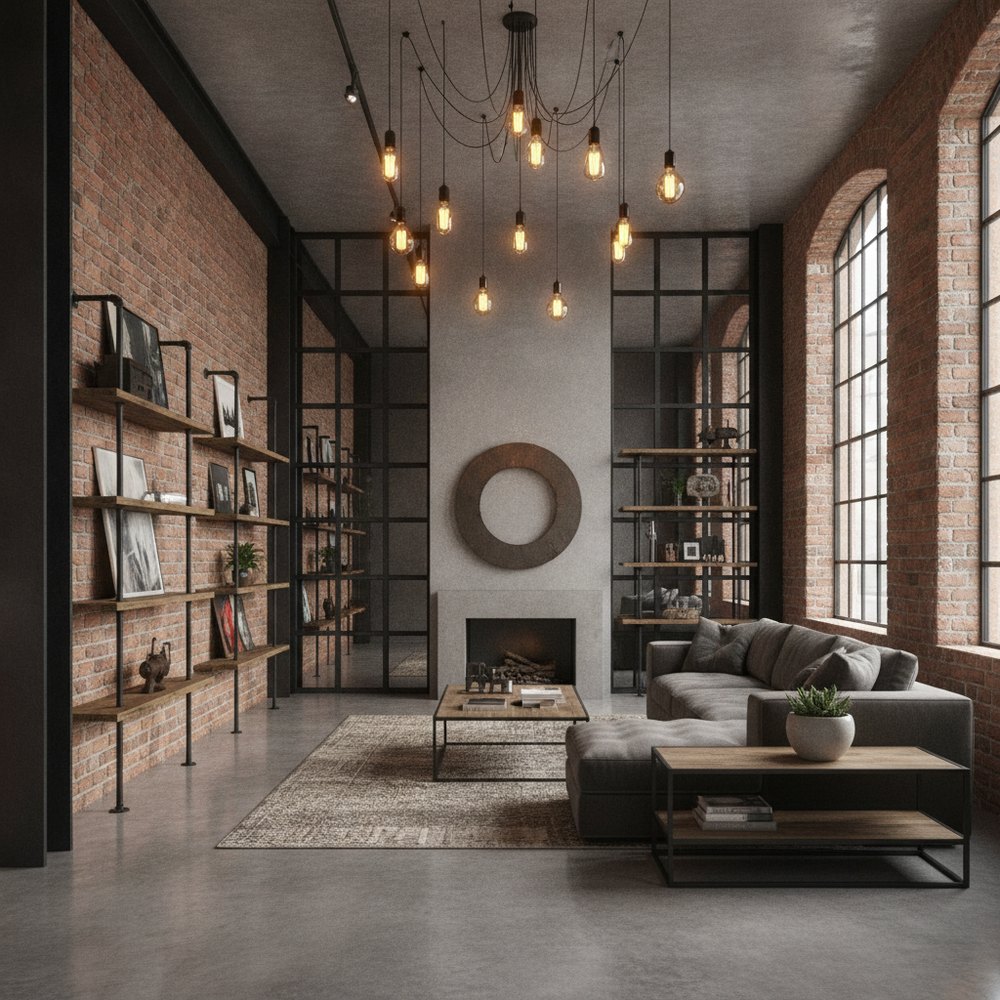
Dark academia is built from four things: a deep saturated wall colour taken over the woodwork, aged timber and leather, a genuine quantity of books, and warm low light from lamps rather than the ceiling. The mistake that ruins it is using dark colour without adding enough light sources back.
What the style actually is
Dark academia started as an internet aesthetic and has become a recognisable interior style, which is unusual and slightly awkward, because internet aesthetics are assembled from images rather than from how rooms are used.
Stripped of the mood-board layer, what it describes is a real and old tradition: the panelled study, the college library, the Victorian gentleman's room. Deep colour, timber, leather, brass, books, and light that comes from a lamp on a desk rather than from above.
That heritage is useful, because it means the style has functional roots. These were rooms for reading and working in the evening, and everything about them, the low warm light, the enclosing colour, the sound-absorbing books and textiles, serves that.
The palette
Deep, warm and saturated, and applied comprehensively rather than as an accent.
The core colours are forest and olive green, oxblood and burgundy, deep brown, near-black navy, and warm charcoal. Against them sit the neutrals: aged brass, cream paper, tan leather, and unbleached linen.
The critical technique is to take the colour over the woodwork, skirting, architrave, door, window frame, and often the ceiling too. A deep green wall with brilliant white trim is a decorated room; the same green over everything is an enveloping one, and that difference is what makes the style work.
Avoid cool grey and pure black, both of which read as contemporary rather than aged, and avoid using the deep colour on one accent wall only, which is the single most common way this style fails.
Getting the lighting right
This is where dark academia rooms succeed or become unusable, and the rule is counterintuitive.
A dark room needs more light sources, not fewer. Dark surfaces absorb light rather than reflecting it, so a single lamp that would adequately light a pale room leaves a dark one gloomy in the corners. Aim for four or five separate sources at different heights.
But they should all be low and warm. A desk lamp with a solid shade that pools light on the work surface. A picture light over art or a bookshelf. A table lamp. A floor lamp beside a chair. Candles, genuinely, since flame light is exactly right for the style.
Keep the ceiling light for cleaning and use nothing above 2700K. If you can, put everything on dimmers.
Materials and furniture
The material list is short and specific.
- Aged timber, ideally dark: walnut, oak with a dark finish, or mahogany. Visible grain and some wear.
- Leather, tan or oxblood, on a chair or a chesterfield. Worn leather is better than new.
- Brass and aged bronze on lighting, handles and hardware. Not chrome, not brushed nickel.
- Wool and velvet for curtains and upholstery, because both absorb sound and light and add depth.
- Books, in quantity, on open shelving. This is not optional; it is the defining material of the style.
Books are the point
A dark academia room without a substantial number of books is a moody room, not an academic one, and the distinction is obvious immediately.
You need enough to fill a wall or a substantial run of shelving, arranged so they read as used rather than decorated. That means mixed spines, some horizontal stacks, some books left out on tables, and shelves that are about 80 per cent full rather than perfectly styled.
Do not turn the spines to the wall, do not arrange by colour, and do not buy books by the metre. All three are visible instantly and undermine the entire premise. Our home library guide covers shelving properly.
Making it liveable rather than theatrical
The failure mode is a room that looks superb in a photograph and that nobody actually uses.
The fixes are practical. Make sure there is a genuinely comfortable chair with support for reading, not just a decorative leather armchair. Ensure the desk has a task light bright enough for real work, since a dim brass lamp is atmospheric but hard to write under. Add a rug for warmth underfoot, because dark rooms feel colder than pale ones.
And accept some contrast. A cream lampshade, a stack of white paper, a pale rug, gives the eye something to measure the darkness against, which paradoxically makes the room feel richer rather than lighter.
In a room with little natural light
Dark academia is one of the few styles that works better in a dark room than a bright one, which makes it the right answer for north-facing rooms, internal rooms and basements that resist every attempt to brighten them.
In those spaces, stop fighting the light and lean into the enclosure. A north-facing box room painted deep green with a wall of books and three lamps is a far better room than the same space painted white and still gloomy.
The one caveat is ventilation and warmth, particularly in a basement. Dark rooms need to be warm and dry to feel inviting; a cold dark room is just a cold room. Our basement design guide covers the practicalities.
See it in your own room
This is a style people hesitate over because a dark room is a big commitment and the results are hard to imagine from a paint chip.
With Decorly you can photograph the room and see it in deep green, oxblood or charcoal with the woodwork included and lamp lighting, at your real light levels, before buying five litres of paint. For related reading, see home library ideas and wall colour psychology.
Frequently asked questions
What colours work for dark academia?
Forest and olive green, oxblood and burgundy, deep brown, near-black navy and warm charcoal, set against aged brass, tan leather and cream paper. The critical technique is taking the colour over the woodwork and often the ceiling, rather than leaving brilliant white trim.
How do you light a dark academia room?
With more sources than a pale room, not fewer, but all of them low and warm. Four or five separate lamps at different heights, no colour temperature above 2700K, on dimmers where possible. Dark surfaces absorb light, so a single lamp that suits a pale room leaves a dark one gloomy.
Do you need real books for dark academia?
Yes, in quantity, and arranged so they look used: mixed spines, some horizontal stacks, shelves about 80 per cent full. Turning spines to the wall, arranging by colour or buying books by the metre are all visible instantly and undermine the premise.
Does dark academia work in a room with no natural light?
It works better there than in a bright room. A north-facing or internal room that resists every attempt to brighten it is a strong candidate: stop fighting the light and lean into the enclosure. Just make sure the room is warm and dry, since a cold dark room is simply cold.